


The energy choices we make today will shape the quality of life, economy, and climate of tomorrow. For more than a century, coal, oil, and natural gas have powered industrial development, transport, and modern cities. They have also produced large amounts of greenhouse gas emissions, air pollution, and environmental damage.
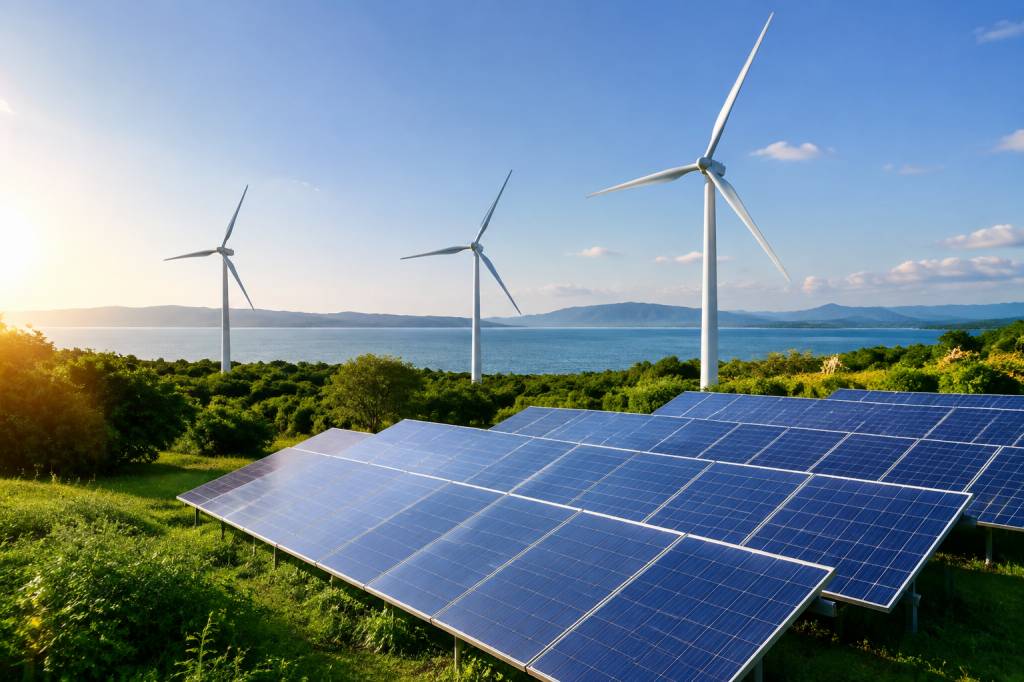
Renewable energy offers a different path. Solar panels, wind turbines, hydropower plants, geothermal systems, and sustainable bioenergy can produce electricity and heat from resources that naturally regenerate. The transition is not simply about replacing one fuel with another. It is about building an energy system that is cleaner, more resilient, and better adapted to the needs of future generations.
As an energy engineer, I see renewable energy as both a technological opportunity and a practical necessity. Its benefits extend far beyond reducing emissions. Here are ten important advantages of renewable energy for a cleaner and more sustainable future.
Lower greenhouse gas emissions
The most widely recognized advantage of renewable energy is its ability to reduce greenhouse gas emissions. Electricity generated from coal and natural gas releases significant quantities of carbon dioxide, while oil-based transport adds even more emissions to the atmosphere.
Most renewable energy technologies produce little or no direct carbon emissions during operation. A solar panel generates electricity without burning fuel. A wind turbine captures the movement of air without releasing exhaust gases. Hydropower and geothermal energy can also provide reliable electricity with considerably lower lifecycle emissions than fossil fuel-based systems.
This matters because greenhouse gases trap heat in the atmosphere and contribute to rising global temperatures, more intense heatwaves, changing rainfall patterns, and sea-level rise. Every clean kilowatt-hour generated by renewable energy can help reduce the need for a fossil fuel-based alternative.
Cleaner air and better public health
Energy production affects more than the climate. Burning coal, oil, and gas releases pollutants such as fine particulate matter, nitrogen oxides, and sulfur dioxide. These substances can worsen asthma, heart disease, respiratory conditions, and other health problems.
Renewable energy facilities generally produce far less air pollution during operation. Replacing a coal-fired power plant with wind or solar power can therefore deliver immediate benefits to nearby communities. Cleaner air can mean fewer hospital visits, lower healthcare costs, and healthier lives, particularly for children, older adults, and people with existing medical conditions.
There is also a less visible benefit: renewable energy reduces pollution associated with extracting, processing, and transporting fossil fuels. A cleaner energy system protects both the atmosphere and the communities located near mines, drilling sites, refineries, and power stations.
Greater energy independence
Many countries depend on imported oil, gas, or coal to meet their energy needs. This dependence can expose them to price fluctuations, supply disruptions, and geopolitical tensions. A sudden conflict, trade restriction, or infrastructure failure can have consequences far beyond the energy sector.
Renewable resources are available in some form almost everywhere. Sunshine, wind, flowing water, agricultural residues, and underground heat can all contribute to local energy production. While no region has exactly the same renewable potential, most countries can diversify their energy mix and reduce their dependence on imported fuels.
Producing more energy locally can strengthen national energy security. It can also keep more money within local economies instead of sending it abroad to purchase fuel. Energy independence does not mean every community must operate entirely on its own. It means building a more balanced system with a wider range of domestic resources.
More stable and predictable energy costs
Fossil fuel prices can change rapidly. A gas shortage, a conflict in a major producing region, or a disruption in global supply chains can cause energy bills to rise within weeks. Renewable energy projects face their own financial and technical challenges, but they do not require a constant supply of fuel once they are operating.
Sunlight and wind are free. Hydropower relies on the water cycle, and geothermal plants use heat from beneath the Earth’s surface. After a renewable facility has been built, its operating costs can be relatively stable because fuel price volatility is limited.
This creates an important advantage for households, businesses, and public institutions. Long-term power purchase agreements and carefully planned renewable projects can offer greater price visibility. Energy storage, smart grids, and a diverse portfolio of renewable technologies can make that stability even stronger.
Of course, renewable electricity is not automatically cheap in every situation. Grid upgrades, storage capacity, permitting, and maintenance all require investment. However, over the lifetime of a well-designed project, renewables can provide competitive and increasingly affordable energy.
Job creation and economic development
The renewable energy sector creates employment across a broad range of activities. Engineers, electricians, construction workers, data analysts, researchers, maintenance technicians, project managers, and environmental specialists are all needed to design, install, and operate clean energy systems.
Jobs are created not only at large wind farms or solar parks. Rooftop solar installations, heat pump services, energy efficiency upgrades, battery manufacturing, electric vehicle infrastructure, and grid modernization all contribute to the clean energy economy.
Renewable energy can also support economic development in rural areas. Landowners may receive income from hosting wind turbines or solar installations, while local businesses can benefit from construction and maintenance activity. With thoughtful planning, these projects can provide long-term value without undermining agriculture, biodiversity, or community priorities.
The quality of these jobs matters. Training programs, fair wages, worker protections, and opportunities for people transitioning from declining fossil fuel industries should be central to the energy transition.
Improved energy access
More than just a technological challenge, energy access is a human development issue. Without reliable electricity, schools, clinics, farms, and small businesses face serious limitations. Refrigeration, lighting, digital communication, water treatment, and medical equipment all depend on dependable energy.
Renewable systems can help extend access to communities that are far from centralized electricity grids. Solar home systems, mini-grids, small hydropower plants, and battery storage can provide power in remote or underserved regions without waiting for large transmission infrastructure to be built.
For example, a solar-powered water pump can help a rural community access clean water while reducing the need for diesel fuel. A battery-supported mini-grid can allow local businesses to operate after sunset. These are not abstract environmental benefits; they directly improve education, health, productivity, and quality of life.
More resilient energy systems
Modern societies depend heavily on electricity, yet centralized energy systems can be vulnerable to storms, wildfires, cyberattacks, equipment failures, and other disruptions. A single damaged transmission line can affect thousands or even millions of people.
Renewable energy can improve resilience when it is deployed through a more distributed and flexible system. Rooftop solar panels, community batteries, microgrids, and local wind or hydropower facilities can provide backup power when part of the main grid is unavailable.
Imagine a medical clinic that can continue operating during a severe storm because its solar panels and battery storage system keep essential equipment running. Or a neighborhood microgrid that supplies electricity to emergency shelters after a major outage. These examples show how renewable energy can support critical services when they are needed most.
Resilience depends on good design. Renewable systems must be combined with storage, demand management, reliable controls, and strong grid planning. The sun does not send a calendar invitation before setting, so flexibility is essential.
Efficient use of natural resources
Fossil fuels are finite resources formed over millions of years. Extracting them requires mining, drilling, transportation, and processing, all of which can disturb ecosystems and consume water. Renewable resources, by contrast, are replenished naturally on a human timescale.
Solar and wind power use very little water during operation compared with many thermal power plants. This is particularly important in regions facing water scarcity. Geothermal and hydropower projects require careful environmental management, but they can provide energy without continuously burning extracted fuel.
Renewable energy also encourages more thoughtful resource use. When electricity is generated close to where it is consumed, transmission losses can be reduced. When paired with energy efficiency, clean power can help society achieve more with less energy overall.
This does not mean renewables have zero environmental impact. Solar panels, batteries, wind turbines, and transmission infrastructure require minerals, land, manufacturing, and recycling systems. Responsible sourcing, durable design, material recovery, and end-of-life planning are essential for making renewable energy genuinely sustainable.
Innovation across the energy sector
The expansion of renewable energy is accelerating innovation in fields far beyond electricity generation. Engineers and researchers are developing better batteries, green hydrogen, smart grids, advanced forecasting tools, floating solar systems, sustainable fuels, and more efficient power electronics.
Digital technologies are helping operators predict wind and solar production with increasing accuracy. Artificial intelligence can identify maintenance needs before equipment fails. Smart meters and connected appliances can shift electricity use to periods when clean power is most available.
Renewables are also changing how we think about buildings and transport. A home can become a small power plant with solar panels and a battery. An electric vehicle can potentially support the grid through vehicle-to-grid charging. A factory can combine renewable electricity, heat pumps, energy storage, and demand management to reduce both emissions and operating costs.
Innovation is not only about inventing new hardware. It also includes better policies, financing models, community ownership structures, and methods for involving citizens in energy decisions.
Support for sustainable cities and communities
Cities consume large amounts of energy for buildings, transport, water systems, industry, and public services. Renewable energy can help urban areas reduce emissions while improving local living conditions.
Solar panels on homes, offices, schools, and parking structures can generate electricity close to demand. District heating systems can use geothermal energy, solar thermal power, or renewable electricity-driven heat pumps. Electric buses and trains powered by clean electricity can reduce urban air pollution and noise.
Renewable energy can also support more attractive public spaces. Replacing diesel generators with quiet battery systems at construction sites or outdoor events can make neighborhoods cleaner and less disruptive. Energy-efficient buildings supplied by renewable power can be more comfortable in both hot and cold weather.
The best results come from combining renewable energy with compact urban planning, efficient buildings, public transport, cycling infrastructure, and responsible consumption. Technology works best when it is part of a wider vision for healthier communities.
Protection for future generations
Perhaps the most important advantage of renewable energy is its long-term value. Decisions made today influence the climate, ecosystems, and economic opportunities available to people decades from now.
Reducing emissions can help limit climate-related risks, including extreme heat, flooding, food insecurity, and damage to infrastructure. Protecting air and water quality supports healthier communities. Developing clean technologies creates skills and industries that can remain valuable in a changing global economy.
Future generations should not have to choose between reliable energy and a stable climate. Renewable energy helps make that choice less difficult by offering a way to power homes, businesses, transport, and industry with fewer environmental costs.
The transition will require investment, careful planning, honest discussion, and cooperation between governments, businesses, engineers, and citizens. There will be challenges involving land use, grid capacity, recycling, permitting, and affordability. But challenges are not reasons to delay progress; they are design problems to solve.
Renewable energy is not a single technology or a magic switch. It is a practical collection of solutions that can make energy cleaner, more local, more resilient, and more inclusive. By combining renewable generation with energy efficiency, storage, smart infrastructure, and responsible policies, we can build an energy system that serves both people and the planet.