


Global warming is often discussed as if it were a single, mysterious force drifting above us like a weather system with a bad attitude. In reality, it’s the result of very specific human activities, each adding pressure to the climate system in different ways. The good news? If we understand the main causes clearly, climate action becomes more targeted, more practical, and much more effective.
For a blog focused on industry, energy, innovation, and sustainable living, this matters a lot. Global warming is not only an environmental issue; it is a systems issue. It affects power grids, supply chains, buildings, transportation, agriculture, and public health. And as an engineer, I can say this: when a problem is systemic, the solution has to be systemic too.
Below are 10 major causes of global warming and how each one shapes the climate action needed today.
Fossil fuel combustion
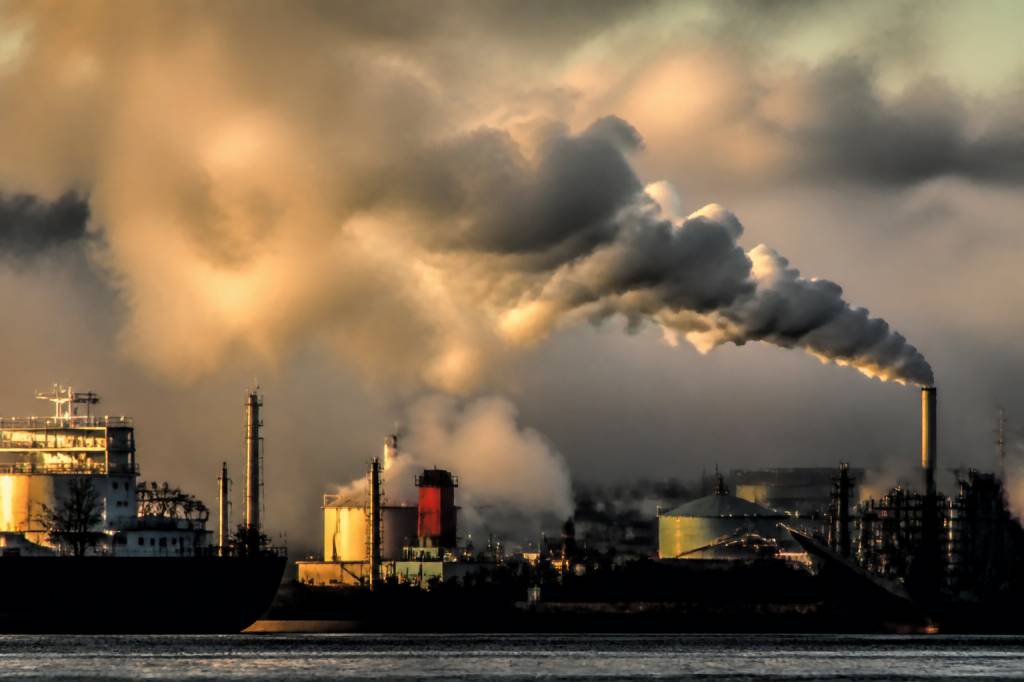
Burning coal, oil, and natural gas remains the largest driver of global warming. These fuels release carbon dioxide, the greenhouse gas most responsible for trapping heat in the atmosphere. Power plants, factories, vehicles, ships, and heating systems all contribute.
This is why decarbonizing energy is at the center of climate action. If electricity is produced from fossil fuels, then even “clean” technologies can still carry a hidden carbon footprint. An electric car charged with coal-heavy electricity is cleaner than a gas car in many cases, but it’s not the full solution.
Climate action impact:
- Accelerates the shift toward renewable energy sources such as wind, solar, hydro, and geothermal
- Drives the electrification of transport, heating, and industrial processes
- Pushes governments toward carbon pricing, emissions caps, and energy standards
Deforestation
Forests are carbon sinks. They absorb CO2 and store it in trees, soil, and vegetation. When forests are cut down or burned, that stored carbon is released back into the atmosphere. At the same time, we lose one of the planet’s best natural climate buffers.
Deforestation is especially damaging because it works in two directions: it emits carbon and removes a natural absorber. It’s like deleting the brakes while speeding downhill. Not ideal.
Climate action impact:
- Strengthens reforestation and afforestation initiatives
- Encourages sustainable forestry and land-use policies
- Highlights the role of biodiversity in climate resilience
Industrial emissions
Heavy industries such as cement, steel, chemicals, and manufacturing are major sources of greenhouse gases. Some emissions come from energy use, but others are built into the production process itself. Cement, for example, releases CO2 not only from the fuel used to heat kilns but also from the chemical transformation of limestone.
This is where climate action gets more technical. You can’t solve industrial emissions with simple slogans. You need process innovation, cleaner feedstocks, electrification, green hydrogen, and in some cases carbon capture.
Climate action impact:
- Encourages industrial efficiency and low-carbon process redesign
- Supports investment in green hydrogen and carbon capture technologies
- Creates demand for circular economy models that reduce raw material use
Agriculture and livestock
Agriculture contributes significantly to warming through methane from livestock, nitrous oxide from fertilizers, and emissions linked to land use. Methane is especially important because it is far more potent than CO2 over the short term. Cows may be charming, but from a climate perspective, they are not exactly innocent.
Fertilizer use, soil management, and food production methods also matter. The climate impact of our food system is often underestimated because it is spread across farms, processing, transport, refrigeration, packaging, and waste.
Climate action impact:
- Promotes regenerative agriculture and smarter fertilizer use
- Supports methane reduction strategies in livestock management
- Encourages more sustainable diets and reduced food waste
Transportation
Cars, trucks, airplanes, trains, ships, and delivery fleets all generate emissions, especially when powered by fossil fuels. Transportation is one of the clearest examples of how energy use and lifestyle choices intersect.
Urban sprawl, traffic congestion, and inefficient logistics make the problem worse. Meanwhile, aviation and maritime shipping are harder to decarbonize than road transport, which means climate action must be flexible and sector-specific.
Climate action impact:
- Speeds up EV adoption and charging infrastructure deployment
- Improves public transport, cycling infrastructure, and walkable city design
- Pushes innovation in sustainable aviation fuels and low-carbon shipping
Energy-inefficient buildings
Buildings consume huge amounts of energy for heating, cooling, lighting, and appliances. Poor insulation, outdated HVAC systems, and inefficient design lead to unnecessary emissions over decades. In some regions, buildings are one of the largest sources of energy demand.
Here, climate action is often very practical. Better insulation, smart thermostats, heat pumps, and efficient windows can reduce emissions while lowering bills. It’s one of the rare climate solutions that usually pays for itself.
Climate action impact:
- Drives retrofitting of existing buildings
- Encourages green building standards and energy codes
- Supports heat pump deployment and smart energy management
Waste and landfills
When organic waste decomposes in landfills, it produces methane. Plastics, packaging, and discarded products also represent wasted energy and materials from extraction to production. In other words, waste is not just a disposal issue; it is an emissions issue.
A single banana peel in a landfill may not sound dramatic, but multiply that by billions of tons of waste, and the climate impact becomes impossible to ignore. Waste management is one of those areas where small operational improvements can add up fast.
Climate action impact:
- Expands composting, recycling, and waste-to-energy solutions
- Reduces methane emissions from landfills
- Supports product design focused on durability, repair, and reuse
Changes in land use
Urban expansion, wetland drainage, and soil degradation all affect carbon storage and local climate patterns. When land is transformed, its ability to absorb water, store carbon, and support ecosystems often decreases.
This is especially important in growing cities and industrial regions. Paved surfaces absorb heat, reduce permeability, and intensify the urban heat island effect. So the climate issue is not only global; it is also very local. If your city feels five degrees hotter than the countryside, there’s a reason.
Climate action impact:
- Promotes climate-smart urban planning and green infrastructure
- Protects wetlands, forests, and natural carbon sinks
- Improves resilience to heatwaves, flooding, and drought
Consumption patterns
Consumer demand shapes production. Fast fashion, single-use products, overpackaged goods, and short product lifecycles all increase emissions across supply chains. Even when emissions are “outsourced” to manufacturers, they are still part of the climate equation.
This cause is often overlooked because it is less visible than a power plant or truck. But demand drives the whole machine. If we buy more stuff, faster, with shorter lifespans, emissions grow accordingly. Simple math, unpleasant result.
Climate action impact:
- Encourages sustainable consumption and circular design
- Pushes companies to improve supply chain transparency
- Supports repair, resale, and product-life extension models
Natural feedback loops amplified by warming
As global warming intensifies, it can trigger feedback loops that make the problem worse. Melting ice reduces the planet’s reflectivity, causing more heat absorption. Thawing permafrost can release methane and CO2. Drier forests become more vulnerable to wildfires, which release even more carbon.
These feedback loops are why climate action cannot wait for “later.” Once certain thresholds are crossed, some processes become harder to reverse. That’s one reason scientists focus so much on limiting warming as quickly as possible.
Climate action impact:
- Increases urgency for rapid emissions cuts
- Supports climate monitoring, early warning systems, and research
- Reinforces the need for adaptation alongside mitigation
Why these causes matter for climate action
The biggest mistake in climate strategy is treating all emissions as if they were the same. They are not. Different causes require different tools, and the most effective climate action is layered: clean electricity, efficient infrastructure, smarter land use, low-carbon industry, better transport, and changes in consumption.
Think of it like engineering a complex system. You don’t solve instability by turning one knob and hoping for the best. You diagnose the pressure points, prioritize the highest-impact interventions, and build resilience into the whole system.
That is exactly what climate action should look like:
- Mitigation: reducing emissions at the source
- Adaptation: preparing for impacts already underway
- Innovation: scaling technologies that make low-carbon choices easier
- Policy: setting the rules that align markets with climate goals
What this means for energy and industry
For the energy sector, these causes point to a clear direction: decarbonize the power system, then electrify as much of the economy as possible. For industry, the challenge is to redesign processes, improve efficiency, and adopt cleaner fuels and materials. For cities, the mission is to build places where low-carbon choices are the easy choices.
And for all of us? Climate action becomes more effective when it is grounded in reality. Not every solution is flashy. Some of the most powerful changes are boring in the best way possible: better insulation, smarter grids, efficient motors, cleaner procurement, and fewer wasted resources. The kind of changes you don’t brag about at dinner, but absolutely notice on your energy bill.
Moving from awareness to action
Understanding the causes of global warming is not an academic exercise. It is the foundation of effective climate action. When we know where emissions come from, we can target them with precision instead of relying on vague promises and good intentions.
The path forward is not about choosing between technology and behavior, or between policy and innovation. It is about combining them. Renewable energy, smarter infrastructure, sustainable industry, and more conscious consumption all have a role to play.
Global warming may be a large, complex challenge, but its causes are not invisible. They are embedded in the way we produce energy, build cities, grow food, and design products. The better we understand those causes, the better equipped we are to transform them into opportunities for climate action that actually works.