


Climate Change Is Already Reshaping the Energy Landscape
Climate change is often discussed as a future risk, but for renewable energy, green technology, and sustainable living, it is already a present-day design constraint. Heat waves, stronger storms, shifting rainfall, droughts, and rising sea levels are changing how energy is produced, stored, distributed, and consumed. The big question is no longer whether the energy transition will be affected, but how quickly we can adapt it.
For companies, communities, and households trying to build a lower-carbon future, this matters a lot. Solar panels are not just solar panels anymore; they are assets that must perform under hotter conditions. Wind turbines are not only taller and smarter; they are also being built to survive more intense weather. And sustainable living is no longer about simple efficiency upgrades—it now includes resilience, flexibility, and smarter use of resources.
Hotter Temperatures Reduce the Efficiency of Solar Systems
Solar energy remains one of the most powerful tools in the clean energy mix, but it is not immune to climate change. Photovoltaic panels lose efficiency as temperatures rise. In other words, a sunny day is great, but a scorching day can be less productive than many people assume. Solar modules are designed to capture light, not heat, and excessive heat can reduce output.
This creates a practical challenge in regions where climate change is increasing the number of extreme heat events. A rooftop system in southern Europe, the Middle East, or parts of the U.S. may need better ventilation, advanced materials, or different mounting designs to maintain performance.
- Higher ambient temperatures can lower panel efficiency.
- Heat stress can age inverters and wiring faster.
- Cooling strategies and reflective surfaces can help protect performance.
Changing Wind Patterns Can Shift Wind Power Output
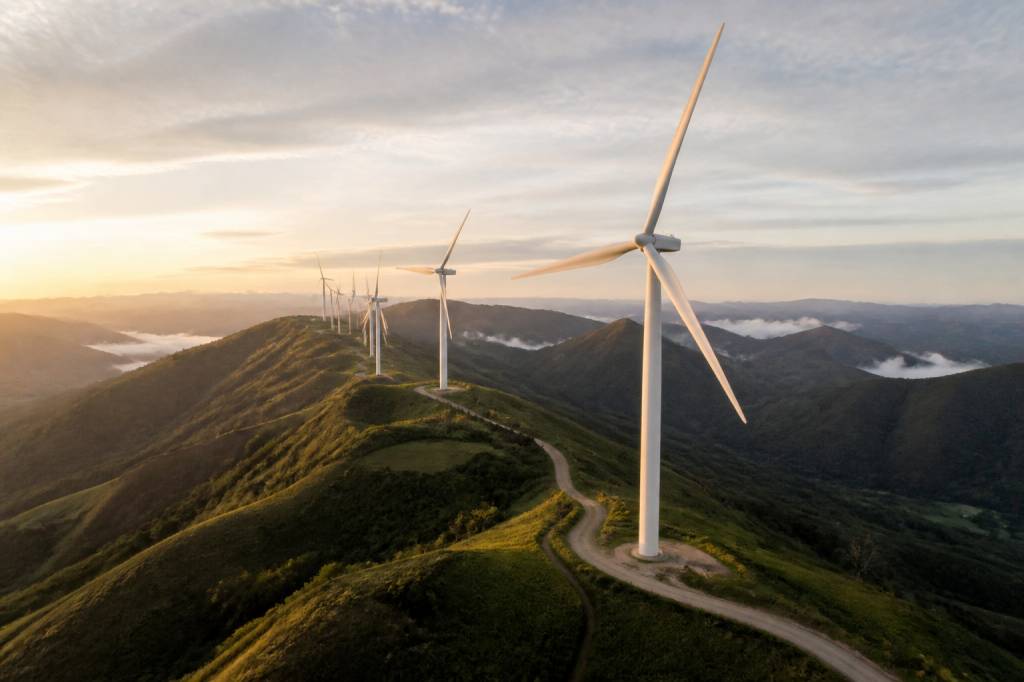
Wind energy depends on one key variable: wind. Climate change is altering atmospheric circulation in ways that can make wind resources more variable across seasons and regions. Some areas may see stronger average winds, while others may experience periods of stagnation. For grid operators, that means more uncertainty in forecasting and balancing supply.
Wind farms are becoming increasingly sophisticated, with smarter blades, improved forecasting tools, and better turbine controls. Still, developers now have to think carefully about long-term climate projections when choosing sites. A project that looks ideal today may perform differently in 15 or 20 years.
This is where energy planning becomes less about historical averages and more about future resilience. The best wind projects are no longer just efficient; they are climate-aware.
Drought Can Limit Hydropower Generation
Hydropower is one of the oldest renewable energy sources, but it is especially sensitive to water availability. Prolonged droughts, reduced snowpack, and altered river flows can limit generation. In some regions, reservoirs are dropping to levels that make it harder to produce consistent electricity. That is a major issue because hydropower often provides flexible, dispatchable power when grids need it most.
In a warming world, this creates a two-part challenge. First, hydropower plants may generate less electricity. Second, the same droughts can increase demand for electricity, especially for cooling. That is a tough combination for utilities.
To adapt, operators are investing in better watershed management, climate modeling, and integration with other renewables such as solar and wind. The lesson is simple: water is energy, and climate change is putting pressure on both.
Extreme Weather Puts Energy Infrastructure at Greater Risk
Storms, floods, wildfires, and hurricanes are becoming more destructive in many parts of the world. Renewable energy systems and green infrastructure can be damaged just like any other physical asset. Solar farms can flood. Transmission lines can fail. Battery storage sites can be exposed to overheating or storm surges. Even electric vehicle charging networks can be knocked offline.
This is where resilience becomes a core part of clean energy design. The future of energy is not only low-carbon; it must also be durable. A solar installation that performs well on a perfect day but fails during a storm is not enough.
- Raising equipment above flood levels can reduce losses.
- Fire-resistant materials can help in wildfire-prone regions.
- Microgrids can keep critical services running during outages.
Energy Storage Becomes More Important Than Ever
As climate volatility increases, so does the need for energy storage. Batteries help smooth out solar and wind variability, but they also provide backup power during emergencies. During heat waves or storms, storage can mean the difference between a stable grid and rolling blackouts.
Climate change is accelerating the shift from “clean generation” to “clean and flexible systems.” That is a big difference. Solar panels may generate electricity during the day, but storage allows that energy to be used at night or during peak demand. This makes renewable energy more reliable and more valuable.
For green technology companies, this means storage is no longer a supporting player. It is becoming central to the energy transition, from home batteries to utility-scale systems.
Higher Cooling Demand Changes How We Design Homes and Cities
As temperatures rise, households and cities need more cooling. That affects sustainable living in a very direct way. Air conditioning demand increases electricity consumption, which can stress power grids and raise emissions if the grid still relies on fossil fuels. The irony is hard to miss: climate change drives more cooling demand, which can increase the need for electricity, which can worsen emissions if the system is not clean enough.
Smart building design is one of the best responses. Better insulation, passive ventilation, reflective roofs, shading, and efficient heat pumps can reduce energy demand dramatically. Urban planners are also paying more attention to tree cover, cool pavements, and building orientation.
A well-designed home does not just “use less energy.” It stays comfortable with less effort. That is sustainable living at its best.
Green Materials and Supply Chains Face New Pressure
Climate change does not only affect energy use; it affects the materials that make green technology possible. Mining, transport, manufacturing, and logistics are all vulnerable to climate disruptions. Flooded ports, damaged roads, water shortages, and heat-related factory shutdowns can slow the delivery of solar panels, batteries, turbines, and EV components.
This is especially important for technologies that depend on critical minerals and global supply chains. A single disrupted region can create bottlenecks far from the original climate event. That is one reason why circular economy thinking is gaining momentum. Recycling, local manufacturing, and material efficiency are no longer just “nice to have.” They are strategic advantages.
- Recycled metals can reduce dependence on volatile supply chains.
- Modular product design makes repairs easier.
- Local sourcing can lower transport emissions and risk.
Grid Planning Needs Better Climate Intelligence
Traditional energy planning often relies on historical data. But climate change is making the past a less reliable guide to the future. Grid operators now need climate scenarios, not just weather forecasts. This is particularly important for integrating renewables at scale, because the timing of production and demand is becoming more complex.
Green technology is responding with better digital tools. Artificial intelligence, predictive analytics, and digital twins are helping energy teams model how assets will perform in different climate conditions. That allows operators to make smarter decisions about where to build, how to maintain equipment, and when to dispatch power.
In practical terms, climate intelligence is becoming a core energy asset. If your grid cannot anticipate heat waves or droughts, it will struggle to stay reliable.
Electric Mobility Must Adapt to New Environmental Conditions
Electric vehicles are a key part of sustainable transport, but climate change affects them too. High temperatures can reduce battery performance, while cold snaps can lower driving range. Severe weather can disrupt charging infrastructure. Flooding and road damage can also complicate daily mobility.
That does not weaken the case for electrification. It strengthens the case for better system design. Charging networks need to be more resilient, batteries need better thermal management, and public infrastructure needs to be planned with climate risks in mind. A future built on electric mobility has to work in real-world conditions, not just in a showroom.
There is also a broader lifestyle shift here. Sustainable living increasingly includes transport choices that are flexible, efficient, and climate-resilient.
Consumer Behavior Is Changing Along With the Climate
Climate change is influencing not only infrastructure, but habits. People are becoming more aware of energy use, food systems, water conservation, and home resilience. In many places, households are adopting rooftop solar, smart thermostats, low-water landscaping, and energy monitoring tools. These changes may start as cost-saving measures, but they often lead to deeper behavioral shifts.
For example, when people install a home energy dashboard, they usually discover just how much electricity is wasted on standby loads or inefficient appliances. That awareness can be powerful. Once energy becomes visible, it becomes easier to manage.
That is one of the most promising effects of the climate transition: it is making sustainability more practical, more measurable, and more personal.
Innovation Moves Faster When the Climate Gets More Unpredictable
Every major climate disruption also creates a design challenge. And every design challenge creates an opportunity for innovation. That is why green technology is evolving so quickly. From heat-resistant solar cells to smarter battery chemistries, from adaptive building systems to climate-responsive grids, the industry is moving faster because it has to.
Nolan Bertrand’s perspective as an energy engineer fits this moment well: the future will not be built by technology alone, but by technology aligned with human needs. A resilient energy system must be efficient, affordable, and adaptable. It must work for households, industries, and communities under changing conditions.
Climate change is not a side issue for renewable energy. It is one of the main forces shaping its design, deployment, and value. The companies and communities that understand this early will be the ones best positioned to thrive.
What This Means for the Next Phase of Sustainability
The relationship between climate change and clean energy is more complex than a simple story of “problem” and “solution.” Climate change affects renewable energy output, increases infrastructure stress, raises cooling demand, disrupts supply chains, and pushes innovation forward. It also changes how we live, build, move, and consume.
The good news is that the energy transition is not standing still. Solar, wind, storage, electrification, smart grids, and sustainable design are all improving rapidly. The challenge now is to make them climate-ready.
That means asking better questions: How will this system perform during a heat wave? What happens if a drought lasts longer than expected? Can this building stay comfortable without wasting power? Can this grid recover quickly after a storm? Those are the questions that will shape the next generation of renewable energy, green technology, and sustainable living.