
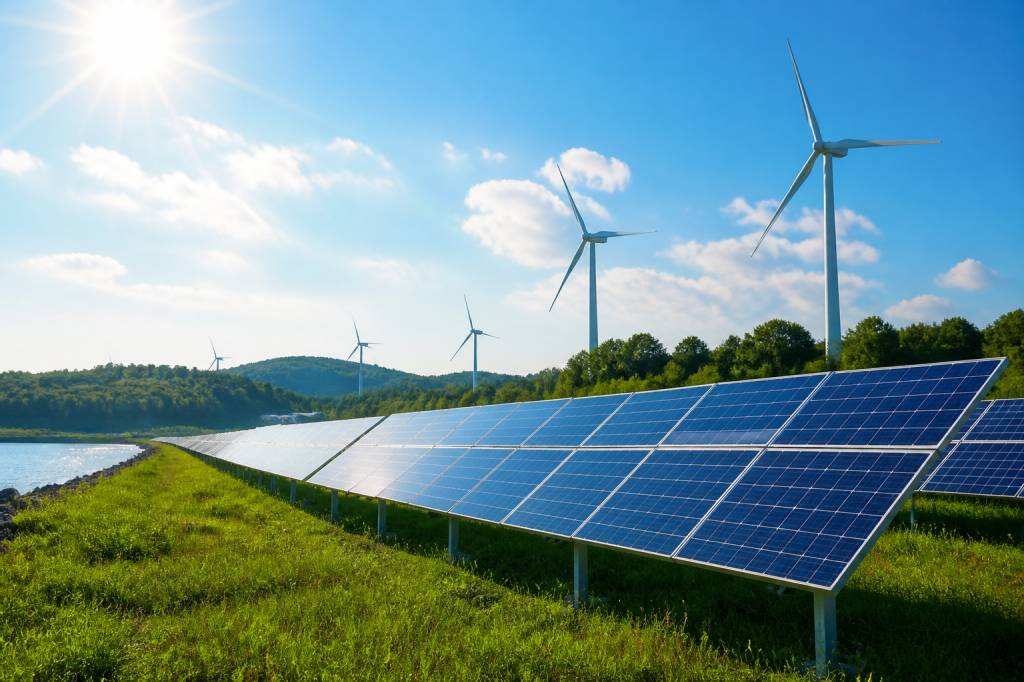
Climate change can feel abstract until you look at the details: higher energy bills, hotter summers, more extreme weather, and air that is not quite as clean as it should be. The good news? We already have many of the tools needed to make a real difference. Renewable energy and green technology are no longer futuristic ideas reserved for science fiction or massive utility companies. They are practical, scalable, and increasingly affordable solutions that can help protect the planet while improving how we live and work.
For industries, communities, and households alike, the challenge is not whether we can act. It is how fast we can put the right solutions in place. And that is where the combination of renewable energy and green technology becomes powerful. One reduces emissions at the source. The other helps us use energy smarter, waste less, and build systems that work better for both people and the environment.
Here are 10 practical ways renewable energy and green technology can help save our Earth, with real-world value for the present and the future.
Shift from fossil fuels to solar power
Solar energy is one of the most accessible clean energy sources available today. Rooftop solar panels on homes, factories, schools, and warehouses can significantly reduce dependence on coal, oil, and gas. The sun delivers more energy to Earth in one hour than humanity uses in a year. That is not a typo. The challenge has never been supply. It has always been capture and storage.
Thanks to better photovoltaic technology, solar panels are now more efficient and more affordable than they were a decade ago. In many regions, solar is already competitive with conventional electricity. For homeowners, this can mean lower bills. For businesses, it can mean greater energy resilience and protection from price volatility.
Think of solar as a way to turn unused roof space into a clean power plant. That is a pretty good use of real estate.
Expand wind energy where it makes sense
Wind power has become a cornerstone of the global clean energy transition. Onshore and offshore wind farms generate large amounts of electricity without emitting greenhouse gases during operation. In windy regions, wind turbines can supply entire communities and help stabilize the grid.
Modern turbines are far more efficient than early models. They are taller, smarter, and able to harvest energy from stronger, steadier winds higher above the ground. Offshore wind, in particular, has enormous potential because winds over the ocean tend to be stronger and more consistent.
Wind is not just a clean alternative. It is a mature technology that can be deployed at scale. When paired with solar, it also helps balance energy supply, since the two sources often produce power at different times of day and in different weather conditions.
Use energy storage to make renewables reliable
One of the most common questions about renewable energy is, “What happens when the sun does not shine or the wind does not blow?” Fair question. The answer is storage.
Battery storage systems, pumped hydro, thermal storage, and emerging technologies like solid-state batteries help store excess clean energy for later use. This makes renewable power more reliable and reduces the need for fossil fuel backup plants.
At the household level, batteries can keep essential appliances running during outages. At the grid level, they can smooth fluctuations and reduce energy waste. Storage is the bridge between renewable generation and dependable supply. Without it, clean power is useful. With it, clean power becomes transformative.
Make buildings smarter and more efficient
The cleanest kilowatt-hour is the one you never need to generate. That is why energy efficiency is one of the most powerful climate solutions we have. Green technology in buildings includes smart thermostats, LED lighting, occupancy sensors, high-performance insulation, heat pumps, and energy management systems.
Commercial buildings and industrial facilities can cut energy use dramatically with smart controls and better design. For example, a building that adjusts heating, cooling, and lighting based on occupancy can waste far less energy than one running on outdated manual settings.
Energy-efficient buildings are not only better for the planet. They are more comfortable, cheaper to operate, and often healthier for the people inside them. Saving energy is not about sacrifice. It is about removing waste.
Electrify transport with clean power
Transportation is one of the largest sources of greenhouse gas emissions worldwide. Replacing internal combustion engines with electric vehicles is a major step forward, especially when those vehicles are powered by renewable electricity.
Electric cars, buses, delivery vans, scooters, and even trucks are becoming more common as batteries improve and charging networks expand. The environmental benefits are significant: fewer tailpipe emissions, less air pollution in cities, and lower noise levels. Anyone who has stood near a diesel bus in traffic knows that last benefit is not trivial.
The biggest impact comes when clean transport and clean electricity work together. An electric vehicle charged from solar or wind power has a far smaller carbon footprint than one charged from a fossil-heavy grid. Add smart charging systems, and vehicles can even help balance electricity demand.
Support renewable microgrids for communities and industry
Microgrids are localized energy systems that can operate independently or connect to the main grid. They are especially useful for hospitals, campuses, factories, remote communities, and disaster-prone areas. By combining solar, wind, storage, and smart controls, microgrids improve resilience and reduce emissions at the same time.
In places where grid reliability is weak, microgrids can provide a lifeline. In industrial settings, they can reduce downtime and energy costs. During extreme weather events, they can keep critical services running when the broader network fails.
Microgrids show how green technology is not only about sustainability. It is also about reliability, independence, and smarter infrastructure.
Digitize energy systems with smart grids and AI
The modern energy transition depends on data. Smart grids use digital tools, sensors, automation, and artificial intelligence to monitor and manage energy flows more efficiently. This helps utilities and businesses match supply and demand in real time, reduce losses, and integrate more renewable energy without overwhelming the system.
AI can forecast solar and wind generation, predict equipment failures, and optimize maintenance schedules. It can also help identify energy waste patterns that humans might miss. For example, a factory’s energy management platform might detect that a machine is drawing power during idle periods and flag it instantly.
When energy systems become smarter, they become cleaner. Less waste means less generation needed. Better forecasting means fewer backup emissions. In the energy world, intelligence is a climate solution.
Choose green manufacturing and circular design
Saving the Earth is not only about how energy is generated. It is also about how products are made. Green technology can reduce emissions across the supply chain through low-carbon materials, cleaner industrial processes, and circular design principles that reduce waste.
Circular design means building products to last longer, be repaired more easily, and be recycled or reused at the end of life. Instead of the old “take, make, dispose” model, circular systems keep materials in use for as long as possible.
In manufacturing, renewable energy can power production lines, while electrified industrial equipment and smarter process controls reduce emissions further. A solar-powered factory with efficient equipment and recyclable materials is a much different story than a traditional energy-intensive plant. One belongs to the past. The other is where industry needs to go.
Improve agriculture with renewable and precision technologies
Food production is deeply connected to energy, water, and land use. Green technology can help farmers produce more with less environmental impact. Solar-powered irrigation systems, precision sensors, automated watering, and electric farm machinery all reduce emissions and conserve resources.
Precision agriculture uses data to apply water, fertilizer, and pesticides only where needed. That means less waste, less runoff, and better yields. Solar-powered cold storage can also reduce food loss after harvest, which is a major issue in many regions.
A single innovation may seem small. But multiply it across millions of farms, and the environmental benefits become enormous. Healthy soil, efficient irrigation, and clean energy work together better than most people realize.
Invest in green hydrogen for hard-to-electrify sectors
Some industries are harder to decarbonize than others. High-temperature manufacturing, shipping, aviation, and certain chemical processes cannot always be electrified easily with current technology. That is where green hydrogen comes in.
Green hydrogen is produced using renewable electricity to split water into hydrogen and oxygen through electrolysis. When used properly, it can serve as a clean fuel or feedstock for industries that need energy-dense solutions.
It is not a magic bullet, and it is not the best solution for every application. But for steelmaking, fertilizer production, and long-distance transport, it may play a crucial role in reducing emissions. Think of it as a specialized tool in the climate toolbox, not a universal replacement.
Empower people with cleaner choices and better information
Technology alone does not save the planet. People do. That is why awareness, education, and access matter just as much as the hardware. Green technology can help households and businesses make better decisions by making energy use visible and actionable.
Smart meters, home energy dashboards, carbon tracking apps, and building management platforms all help people understand where energy is going and how to reduce waste. Once people can see their usage in real time, behavior changes become easier. Small adjustments like shifting appliance use to off-peak hours or reducing unnecessary heating and cooling can add up quickly.
At the community level, energy literacy also helps build support for renewable projects and sustainable policies. When people understand the benefits, they are more likely to participate. And when participation grows, the transition accelerates.
How these solutions work better together
The real power of renewable energy and green technology is not in isolated solutions. It is in the system they create together. Solar panels become more valuable with batteries. Electric vehicles become cleaner with a renewable grid. Smart buildings become more efficient with digital controls. Microgrids become more resilient with local generation and storage.
This is why the shift to a sustainable future is not a single project. It is an ecosystem of innovations working in sync. Some are already mainstream. Others are still scaling. But all of them point in the same direction: less waste, lower emissions, and smarter use of resources.
The path forward is not about waiting for a perfect breakthrough. It is about deploying the tools we have, improving them continuously, and making them accessible to more people and industries. That is how meaningful change happens.
If we want to save our Earth, we need energy systems that respect planetary limits while supporting modern life. Renewable energy and green technology give us that possibility. The question is not whether they can help. The evidence is already clear. The real question is how quickly we choose to act.
And honestly, that is a question worth answering sooner rather than later.




More Stories
Sustainable construction material for greener and more resilient buildings
Biotechnology on agriculture: advancing sustainable farming and food security
1.5 centigrade: the global climate target shaping renewable energy and climate action